How to use AI in your UK small business without buying the wrong thing
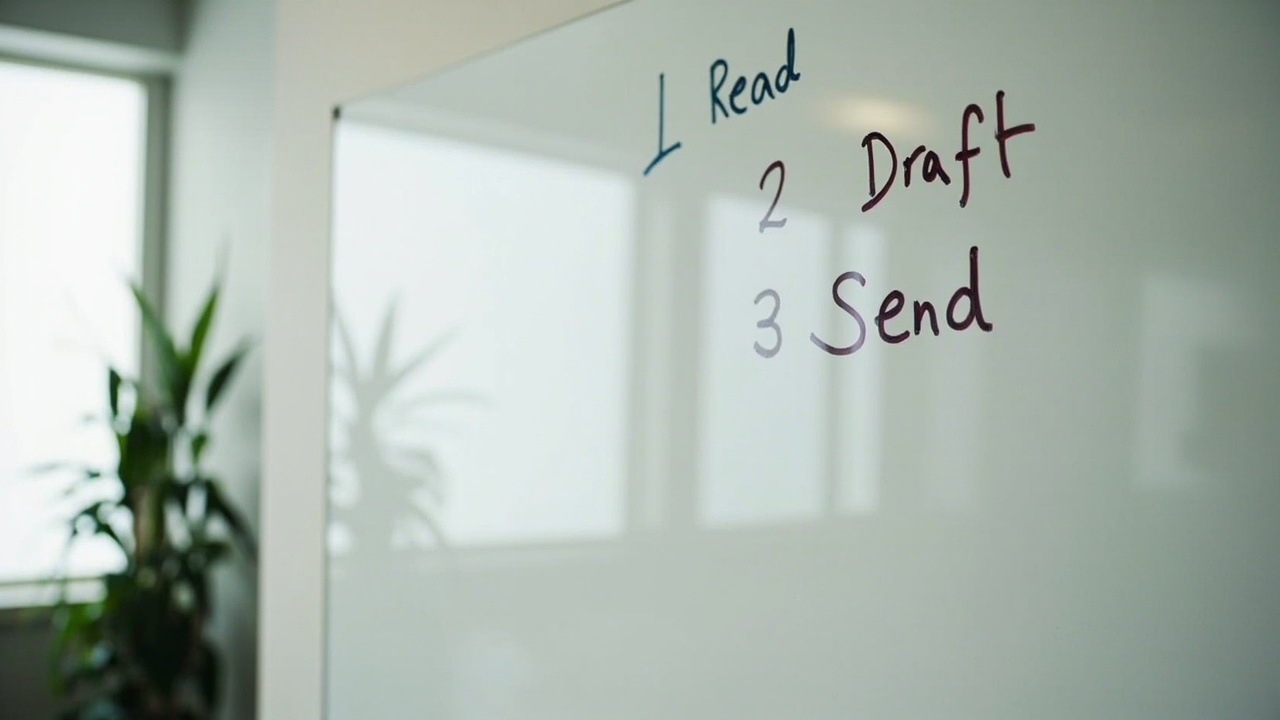
If you have searched "how to use AI in my business", "help me implement AI in my company", or "AI for my workflow", this is the order of operations. The first week is for mapping the bottleneck and the second is for picking one workflow to ship. Everything else (the tooling, the platform, the model) follows from those two decisions, not the other way around.

1. Stop looking at the tools. Map the bottleneck.
The first search most operators do is for the tool. The right first search is for the bottleneck. Which workflow in your business costs the most hours, produces the most errors, or is the reason another hire keeps getting delayed? That answer drives everything else. The tool follows from the workflow, not the other way around.
Concrete first-week exercise: write down the five workflows that take the most hours in your operation. For each, note the cost per hour and the number of judgement calls per task. The workflow with the highest cost-per-hour and the fewest judgement calls is your first AI candidate. The others are not, even if they look more interesting. The free AI automation ROI calculator sizes the cost-per-hour in pounds, and the is this worth doing PDF guide walks through the same exercise with worked examples.
2. Pick one workflow. Ship it in weeks, not quarters.
The single biggest predictor of whether AI lands in a UK small business is the size of the first project. Big pilots fail. Small, scoped workflows ship, get used, get measured, and become the case for the next one. A workflow that takes six to eight weeks to build and starts paying back inside three months is the right shape. The 30-day AI pilot PDF guide is the matching cadence for the first build, and the build the thing guide is what to do once the pilot is signed off.
For most operators I work with, the first shipped workflow is one of four: enquiry handling across web chat and WhatsApp, a quote generator for a trades business, a customer-service reply workflow that escalates the hard ones to a human, or a Monday-morning report that summarises the week's pipeline. Each one is small enough to ship, large enough to measure, and useful enough to keep.
3. Buy the smallest tool that does the job.
The tooling landscape is loud. Most operators come to me having already paid for three or four AI tools that didn't deliver, and the pattern is the same: the tools were right, but they were bolted onto the wrong workflow. Buying tools first is how this happens. Picking the workflow first usually surfaces a smaller, cheaper, less glamorous stack that actually does the job. The AI vendor interrogation kit PDF guide is the checklist for spotting the difference.
A working stack for a UK small business in 2026 looks like this in practice: an open-weight or hosted model for the routine work (the bulk of volume), a frontier model for the small percentage of tasks where stakes justify the cost, a workflow layer that ties them to your existing tools (CRM, calendar, email, spreadsheets), and monitoring with fallback paths so the system holds up on a Monday morning. The total monthly cost is usually under one hundred pounds for a single workflow at small-business volumes.
4. Make sure a real person owns it.
AI projects without a named owner on the customer side tend to drift. The pattern is familiar: the consultant builds, the consultant hands over, the system sits unused, and six months later nobody remembers why it exists. The fix is a single named operator on your side who actually uses the system, gives the consultant feedback, and is the person the team goes to when something is unclear.
It does not need to be a technical role. It needs to be the person who runs the workflow day to day, with the time and the mandate to make the system work. Without that, even a well-built system will sit unused. The your first AI employee PDF guide is the working draft of how to set that operator up for success.
5. Measure before you scale.
The discipline that separates AI projects that survive from AI projects that die is measurement. Hours saved, errors reduced, calls answered, leads captured, quotes sent on time. Pick two or three numbers, write them down before the system goes live, and check them at one month and three months. If they do not move, the workflow was the wrong choice. If they do, the case for the next workflow writes itself.
Most of the operators I work with skip this step and pay for it later. The numbers are what make the second and third AI workflow easier to justify internally. They are also what stops the first one from being quietly turned off in month four because nobody could tell whether it was working. The AI readiness scorecard is a free 10-question self-assessment that scores where your business sits before you start, and the ROI calculator is the post-launch check.
What this looks like for a typical UK small business
A trades business with three vans, an enquiry inbox, and a part-time office manager. The first shipped workflow is an enquiry handler that answers the WhatsApp and web-chat messages out of hours, books the visit into the calendar, and writes a clean handover to the office manager at 8am. The build takes about six weeks. The monthly cost is around forty pounds. The measurable result is fewer missed calls and a faster quote turnaround, both of which can be checked at the end of month one against the same week last year.
A professional services firm with five people and a partner who still does the proposals. The first shipped workflow is a draft-and-review engine that turns a one-page brief into a structured proposal, with the partner in the loop on every output. The build takes about eight weeks. The monthly cost is in the same range. The measurable result is proposal turnaround time and win rate on the proposals the system touches.
A small retail brand with a Shopify store and an inbox full of customer emails. The first shipped workflow is a customer-service reply handler across email and web chat that drafts a reply for every message and only escalates the small percentage that needs a human. The build takes about six weeks. The measurable result is first-response time and ticket resolution rate, both of which can be tracked inside the existing help-desk tool.
What to skip on the first project
Skip the platform that wants to be your single source of truth. Skip the model with the most impressive benchmark. Skip the consultant who wants to redesign your whole operation before shipping anything. Skip the multi-month roadmap that delivers a deck instead of a system. The first AI project in a UK small business should ship a working tool in weeks, on a stack you understand, against a number you can measure. The where AI actually helps PDF guide is the working map of which workflows are worth the first build and which ones are not.
If a vendor or a consultant cannot tell you, in plain English, what the first workflow will be, how long it will take, what it will cost to run, and how you will know it worked, the answer is no. There will be a better proposal behind that one.
The honest version
Most UK small businesses that adopt AI well start small, ship fast, and measure honestly. The ones that fail start with the tool, the platform, or the multi-workflow roadmap, and they pay for the bloat in months when the system is unused or the bill is unrecognisable. The first project is the one that pays for the second and the third. Make it small enough to ship, scoped enough to measure, and boring enough to actually run on a Monday morning.
Tools and guides referenced in this post
- AI automation ROI calculator — free, no login. Size the cost-per-hour of your bottleneck in pounds.
- AI readiness scorecard — free 10-question assessment. Where does the business actually sit before you start.
- AI Council — six AI advisers argue your next decision through different perspectives, before you spend on it.
- Is this worth doing — first-week decision guide. Download the PDF.
- 30-day AI pilot — the matching cadence for the first build. Download the PDF.
- Build the thing — what to do once the pilot is signed off. Download the PDF.
- AI vendor interrogation kit — the checklist for spotting the difference between a tool that works and one that demos well. Download the PDF.
- Your first AI employee — the working draft of how to set up the named operator for success. Download the PDF.
- Where AI actually helps — the working map of which workflows are worth the first build. Download the PDF.